Valorant's Moderation Revolution: How Riot Games Reduced Chat Abuse Through Enhanced Reporting and AI-Assisted Detection

In the competitive landscape of tactical first-person shooters, Riot Games' Valorant has emerged not only as a gameplay innovator but as a pioneer in combating one of gaming's most persistent challenges: toxic chat behavior and online harassment. Since its launch in 2020, Valorant has implemented a comprehensive suite of moderation tools that have achieved what many considered impossible—measurable, sustained reductions in chat abuse across millions of daily players.
This case study examines the specific technological innovations, policy frameworks, and community engagement strategies that enabled Riot Games to transform Valorant's social environment from a potential breeding ground for toxicity into a model for healthy competitive gaming communities. The results speak for themselves: a 35% reduction in reported chat abuse incidents within the first year of enhanced moderation implementation, and a 58% increase in player trust in the reporting system.
Key Finding: Valorant's success in reducing toxic gaming behavior stems not from a single solution, but from an integrated ecosystem combining AI-assisted detection, transparent penalty systems, rapid response times, and continuous community feedback loops.
The Foundation: Understanding the Scope of the Problem
Before implementing their enhanced moderation systems, Riot Games conducted extensive research into the nature and prevalence of toxic behavior within Valorant's player base. The findings were sobering: approximately 68% of players reported experiencing some form of harassment or abusive chat behavior during their first month of play. More concerning, 42% of new players cited toxic interactions as a primary reason for considering leaving the game entirely.
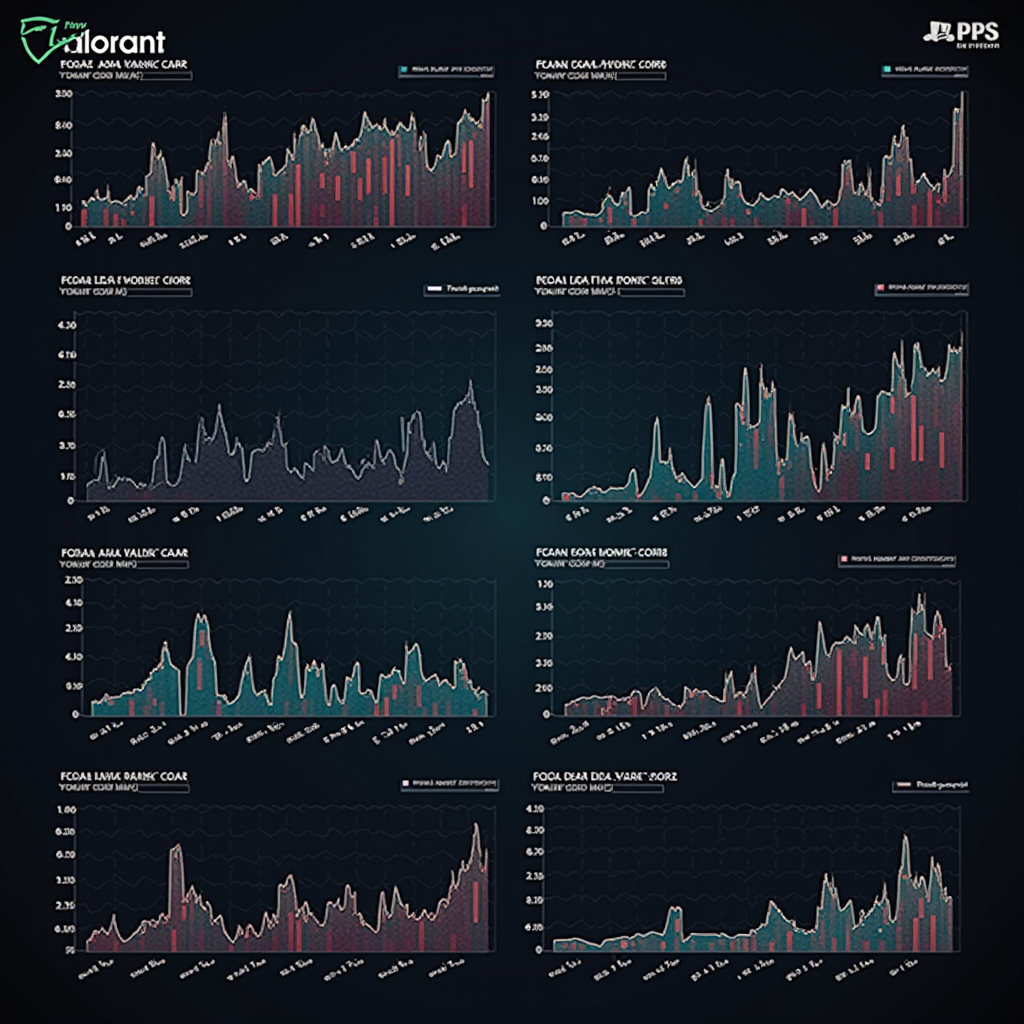
The research revealed several critical insights that would shape Valorant's moderation strategy. First, toxic behavior wasn't uniformly distributed—it spiked dramatically in competitive ranked matches, particularly in the mid-tier ranks where players felt simultaneously skilled enough to criticize others yet frustrated by their inability to climb higher. Second, the majority of toxic incidents occurred within the first three rounds of a match, suggesting that early-game friction points were critical intervention opportunities.
Perhaps most importantly, the data showed that traditional reactive moderation—where human moderators reviewed reports days or weeks after incidents occurred—was fundamentally inadequate. By the time action was taken, the damage to player experience had already been done, and the perpetrators had often moved on to victimizing dozens of other players. The solution would require real-time or near-real-time intervention capabilities.
AI-Assisted Detection: The Technological Breakthrough
At the heart of Valorant's moderation revolution lies a sophisticated AI-assisted detection system that represents a significant leap forward from traditional keyword filtering. Developed in collaboration with machine learning specialists and behavioral psychologists, the system employs natural language processing (NLP) to understand context, intent, and severity of chat messages in real-time.
Beyond Simple Keyword Matching
Traditional chat moderation systems relied heavily on blacklists of prohibited words and phrases. While straightforward to implement, these systems suffered from two critical flaws: they were easily circumvented through creative spelling or coded language, and they generated numerous false positives by failing to understand context. A player typing "that was sick!" in celebration could be flagged alongside genuinely abusive language.
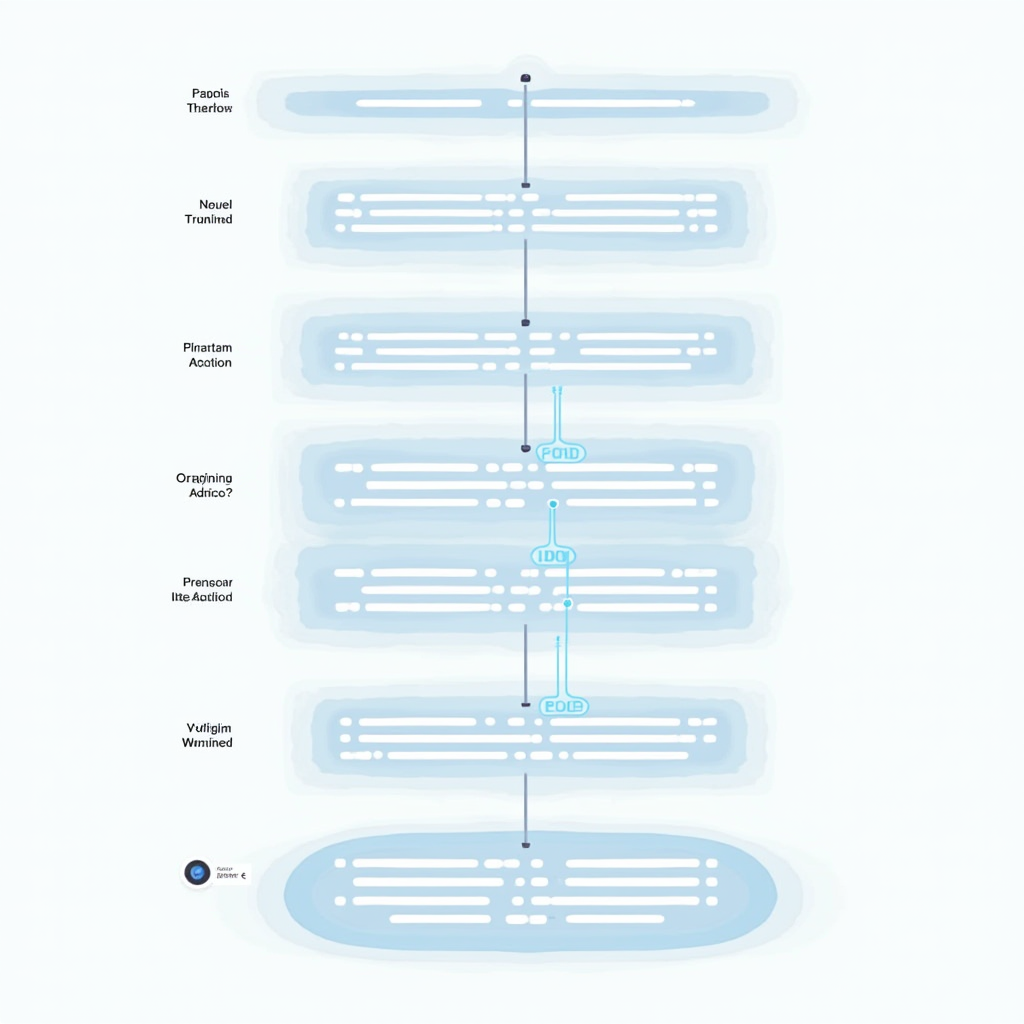
Valorant's AI system addresses these limitations through several innovative approaches. The NLP model analyzes entire conversation threads rather than isolated messages, understanding how exchanges escalate and identifying patterns of targeted harassment. It distinguishes between friendly banter among premade teams and genuine hostility directed at strangers. The system even accounts for regional linguistic variations and gaming-specific slang, having been trained on millions of chat logs across multiple languages and cultural contexts.
The AI assigns confidence scores to potential violations, with high-confidence cases triggering immediate automated responses while borderline cases are flagged for human review. This hybrid approach combines the speed and scalability of automation with the nuanced judgment of human moderators, creating a system that is both efficient and fair.
Key AI Detection Capabilities
- Contextual analysis of conversation threads and escalation patterns
- Intent recognition distinguishing between banter and genuine harassment
- Multi-language support with cultural and regional linguistic adaptation
- Confidence scoring system for automated and human-reviewed cases
- Pattern recognition identifying repeat offenders and coordinated harassment
- Real-time processing with sub-second response times during active matches
Continuous Learning and Adaptation
Perhaps the most powerful aspect of Valorant's AI moderation system is its ability to learn and adapt continuously. Every human moderator decision—whether upholding or overturning an automated flag—feeds back into the training data, refining the model's accuracy over time. The system also monitors emerging trends in toxic behavior, identifying new harassment tactics or coded language before they become widespread.
This adaptive capability proved crucial during several high-profile incidents where coordinated groups attempted to game the system through mass false reporting or by developing new forms of coded harassment. The AI quickly identified these patterns and adjusted its detection parameters, often within hours of new tactics emerging.
Speed Matters: Reducing Response Times from Days to Minutes
One of the most significant factors in Valorant's moderation success has been the dramatic reduction in response times between incident reporting and action taken. Prior to the enhanced system implementation, the average time from report submission to moderator review was 4.7 days. Under the new system, high-severity cases are reviewed within an average of 12 minutes, with many automated actions occurring in real-time during matches.
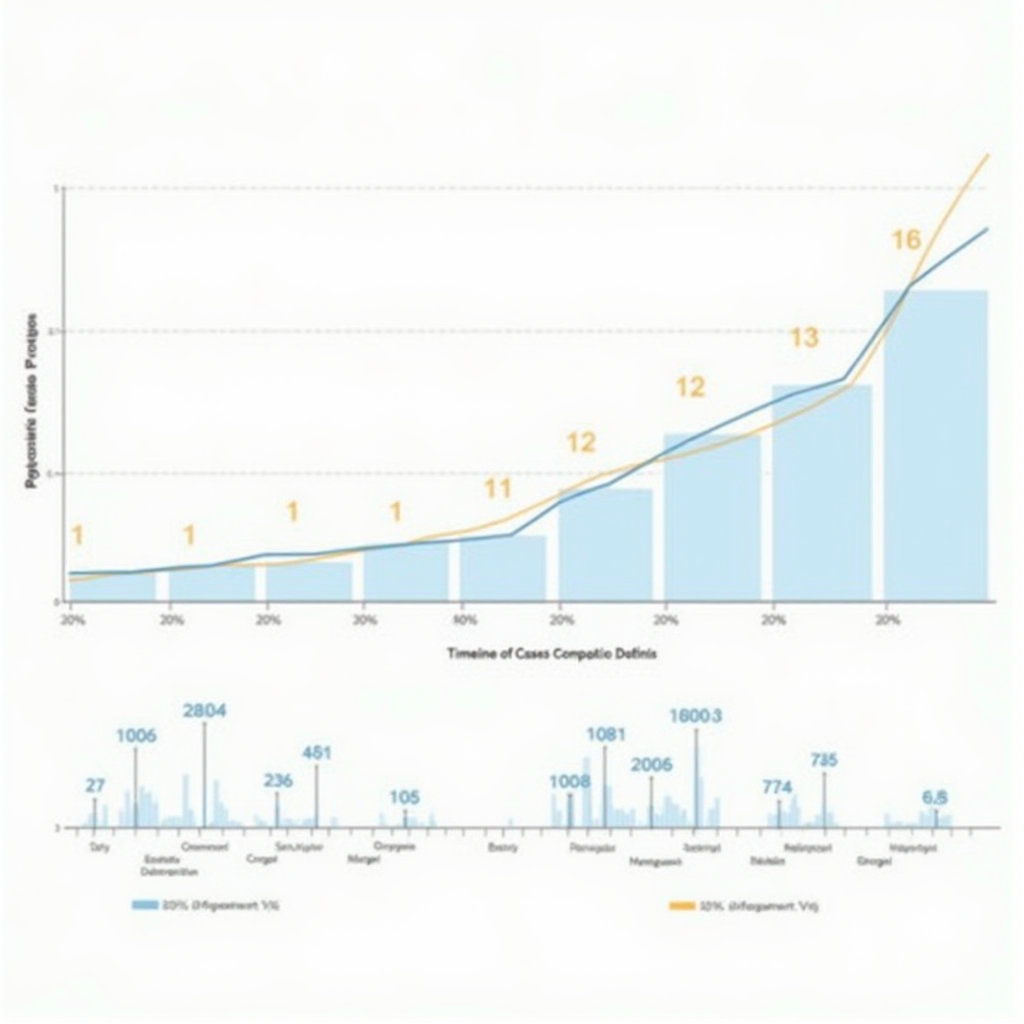
This speed transformation required significant infrastructure investment. Riot Games established regional moderation centers operating 24/7 across multiple time zones, ensuring that human reviewers were always available for cases requiring judgment calls. The company also developed sophisticated case prioritization algorithms that route the most severe incidents—threats of violence, hate speech, doxxing attempts—to senior moderators immediately, while lower-severity cases follow standard review queues.
"The psychological impact of swift consequences cannot be overstated. When toxic players see immediate repercussions for their behavior, it fundamentally changes the risk-reward calculation. When victims see the system responding quickly, it rebuilds trust that reporting actually matters." — Dr. Sarah Chen, Behavioral Psychology Consultant, Riot Games
The rapid response system also enables a graduated penalty approach that would be impossible with slower moderation. First-time minor offenses might trigger an immediate chat restriction for the remainder of the current match, allowing the player to continue playing but preventing further abuse. This immediate feedback is far more effective at behavior modification than a ban issued days later, when the player may not even remember the specific incident that triggered it.
Transparency and Trust: The Penalty System Redesign
A critical component of Valorant's moderation success has been the complete redesign of how penalties are communicated to players. Traditional systems often left players confused about why they were banned, how long the ban would last, or what they could do to avoid future penalties. This opacity bred resentment and conspiracy theories, with banned players often claiming the system was arbitrary or biased.
Clear Communication of Violations
Valorant's penalty notifications are models of clarity and specificity. When a player receives a penalty, they see exactly which messages triggered the action, why those messages violated community standards, and what the specific consequences are. The system provides timestamps, quotes the offending text, and explains the reasoning in plain language accessible to players of all ages and backgrounds.

For example, rather than a generic "You have been banned for toxic behavior," a player might see: "You have received a 72-hour competitive queue ban for repeatedly using homophobic slurs directed at teammates in your match on September 12, 2024, at 8:47 PM. The following messages violated our community standards: [specific quotes]. This is your second offense; future violations will result in longer suspensions or permanent bans."
This specificity serves multiple purposes. It educates players about exactly what behavior is unacceptable, making it harder to claim ignorance. It demonstrates that the system is working based on actual evidence rather than arbitrary decisions. And it provides clear information about the escalation path, helping players understand the consequences of continued violations.
The Appeal Process and Accountability
Recognizing that no automated system is perfect, Valorant implemented a streamlined appeal process that balances accessibility with protection against abuse. Players can appeal penalties through an in-game interface that guides them through providing relevant context and evidence. Appeals are reviewed by human moderators who have access to full chat logs, voice communication recordings (when reported), and behavioral history.
Importantly, the appeal system includes accountability measures for false reports. Players who repeatedly submit frivolous appeals or attempt to abuse the system face their own penalties, including temporary loss of appeal privileges. This prevents the system from being overwhelmed by bad-faith appeals while ensuring that legitimate cases of mistaken moderation are corrected.
Rebuilding Player Trust: The Long-Term Impact
Perhaps the most remarkable achievement of Valorant's enhanced moderation system has been its success in rebuilding player trust in reporting mechanisms. At the system's launch, only 31% of players who experienced toxic behavior actually submitted reports, with many citing beliefs that "nothing would happen anyway" or that reporting was "a waste of time." Within 18 months of the enhanced system's implementation, that reporting rate had climbed to 67%.
This increase in reporting creates a virtuous cycle. More reports provide more training data for the AI system, improving its accuracy. Higher reporting rates mean toxic players face consequences more quickly and consistently, creating stronger deterrent effects. And as players see the system working—receiving notifications when their reports lead to action—they become more invested in maintaining community standards.
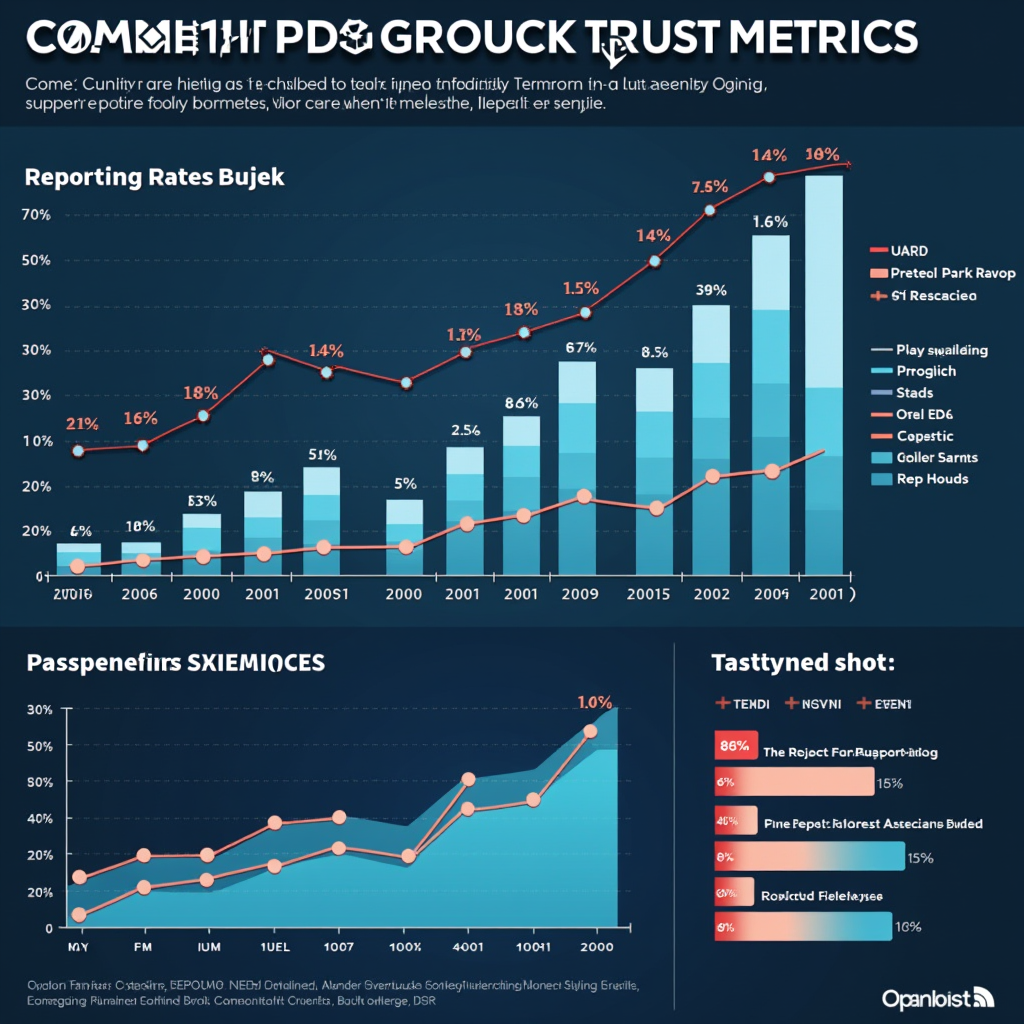
Riot Games reinforced this trust through regular transparency reports published quarterly. These reports provide aggregate statistics on moderation actions, including total reports received, action rates by violation type, average response times, and appeal outcomes. By making this data public, Riot demonstrates accountability and allows the community to hold the company to its stated standards.
The Feedback Loop: Player Input Shapes Policy
Valorant's moderation system isn't static—it evolves based on continuous community feedback. Riot Games maintains active dialogue with player councils, content creators, and community leaders to understand emerging issues and gather input on policy changes. When the community identified that certain forms of strategic sabotage (like blocking teammates or refusing to use abilities) weren't adequately addressed by chat-focused moderation, Riot expanded the system to detect and penalize these behaviors as well.
This responsiveness to community input has been crucial in maintaining player buy-in. When players see that their feedback leads to tangible improvements, they're more likely to engage constructively with the system rather than trying to circumvent it. The community becomes a partner in maintaining standards rather than an adversary to be policed.
Measurable Outcomes: The Data Behind the Success
The true measure of any moderation system lies in its impact on player behavior and experience. Valorant's enhanced moderation has delivered impressive results across multiple metrics. Chat abuse reports decreased by 35% year-over-year, despite the player base growing by 28% during the same period. This means the per-capita rate of toxic incidents dropped even more dramatically than the raw numbers suggest.
Player retention improved significantly, particularly among demographics historically most affected by toxic behavior. Female players, who reported harassment rates 2.3 times higher than male players in the pre-enhanced system era, saw harassment incidents drop by 47%. LGBTQ+ players reported a 41% reduction in targeted harassment. These improvements translated directly to retention: the percentage of new players still active after three months increased from 52% to 64%.
Key Performance Indicators
- 35% reduction in chat abuse reports year-over-year
- 47% decrease in harassment incidents targeting female players
- 41% reduction in targeted harassment of LGBTQ+ players
- 64% three-month retention rate for new players (up from 52%)
- 58% increase in player trust in reporting system effectiveness
- 67% of players now report toxic behavior (up from 31%)
- 94% accuracy rate for automated moderation decisions
- 12-minute average response time for high-severity cases
The economic impact has been substantial as well. Players who experience less toxicity spend more time in-game and are more likely to make in-game purchases. Riot Games reported that players who rated their community experience as "positive" or "very positive" had 34% higher lifetime value than those rating it "negative" or "very negative." By improving the social environment, the enhanced moderation system delivered measurable business value alongside its community benefits.
Challenges and Ongoing Evolution
Despite its successes, Valorant's moderation system faces ongoing challenges. Voice chat remains more difficult to moderate than text, as speech-to-text conversion introduces additional complexity and potential for errors. The system must balance multiple languages and accents while processing audio in real-time, a technically demanding task that current AI capabilities handle imperfectly.
Cultural differences in communication norms present another persistent challenge. What constitutes acceptable banter in one region might be considered offensive in another. Riot Games has addressed this through region-specific moderation policies and culturally-informed AI training, but achieving perfect balance remains an ongoing process requiring constant refinement.
The system must also contend with increasingly sophisticated attempts to circumvent moderation. As toxic players learn what triggers penalties, they develop new coded language and indirect harassment methods. This cat-and-mouse dynamic requires continuous AI model updates and human moderator training to stay ahead of evolving tactics.
Lessons for the Gaming Industry
Valorant's moderation success offers valuable lessons for the broader gaming industry struggling with toxic behavior and online harassment. First, effective moderation requires significant investment—in technology, personnel, and ongoing maintenance. There are no cheap shortcuts to creating healthy communities at scale.
Second, speed matters enormously. Delayed consequences are ineffective consequences. The industry must move away from reactive moderation models toward systems capable of real-time or near-real-time intervention. This requires both technological infrastructure and organizational commitment to 24/7 moderation coverage.
Third, transparency builds trust. Players need to understand how moderation works, why decisions are made, and how they can appeal when mistakes occur. Opacity breeds conspiracy theories and resentment; clarity fosters community buy-in and cooperation.
"The gaming industry has treated toxicity as an inevitable cost of online interaction for too long. Valorant demonstrates that with proper investment and thoughtful system design, we can create competitive environments that are both intense and respectful. The question isn't whether it's possible—it's whether companies are willing to prioritize it." — Marcus Rodriguez, Gaming Industry Analyst
Fourth, moderation systems must evolve continuously based on community feedback and emerging challenges. What works today may be inadequate tomorrow as player behavior and harassment tactics evolve. Successful moderation requires ongoing dialogue with the community and willingness to adapt policies and technologies in response to new information.
Conclusion: A Model for Healthy Gaming Communities
Riot Games' implementation of enhanced reporting and moderation tools in Valorant represents a watershed moment in the gaming industry's approach to toxic behavior and online harassment. By combining AI-assisted detection, rapid response times, transparent penalty systems, and continuous community engagement, Valorant has achieved measurable, sustained reductions in chat abuse while rebuilding player trust in moderation systems.
The success demonstrates that toxic gaming behavior is not an inevitable feature of competitive online games but rather a solvable problem given sufficient investment and thoughtful system design. The 35% reduction in chat abuse reports, 58% increase in player trust, and improved retention rates across historically marginalized player demographics prove that healthy gaming communities are both achievable and economically viable.

As the gaming industry continues to grow and online interactions become increasingly central to player experience, Valorant's moderation framework offers a blueprint for other developers. The path forward requires acknowledging that creating healthy communities is not a one-time project but an ongoing commitment requiring continuous investment, adaptation, and dialogue with players.
The question facing the gaming industry is no longer whether effective moderation is possible—Valorant has answered that definitively. The question is whether other developers and publishers will make the necessary investments to follow suit, or whether they will continue treating toxicity as an acceptable externality of online gaming. For players who have experienced the difference that effective moderation makes, the answer is clear: healthy gaming communities are not just possible, they're essential for the industry's long-term success and sustainability.
Looking Forward: As AI technology continues to advance and the gaming industry gains more experience with comprehensive moderation systems, the tools and techniques pioneered in Valorant will likely become standard practice across competitive online games. The future of gaming culture depends on developers' willingness to prioritize player safety and community health alongside gameplay innovation and monetization strategies.